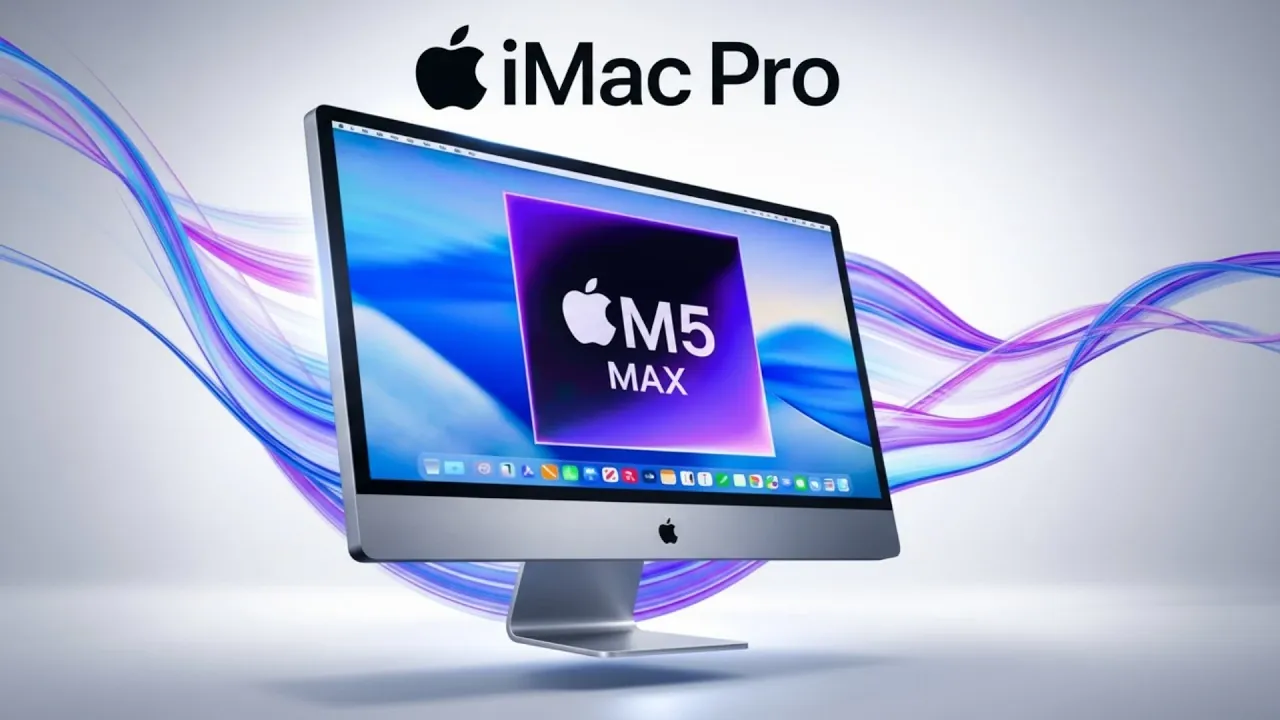
Apple is reportedly preparing to reintroduce the iMac Pro in 2026, a move that could reshape its high-performance desktop offerings. Following the quiet discontinuation of the Mac Pro, this anticipated release is expected to address the needs of professional users who require top-tier computing power. Leaks suggest the new iMac Pro, or possibly an “iMac Ultra”—will feature advanced hardware, larger displays, and innovative technology. Here’s a closer look at what this highly anticipated device could bring to the table. The video below from Matt Talks Tech gives us more details about the rumored iMac Pro.

The Importance of the iMac Pro
The discontinuation of the Mac Pro left a significant gap in Apple’s lineup for professionals. Tasks such as video editing, 3D rendering, and software development demand robust computing power, and Apple’s current offerings may not fully meet these requirements. The iMac Pro 2026 is expected to bridge this gap by delivering an all-in-one solution that combines Apple’s signature sleek design with the performance capabilities of a traditional desktop tower. For professionals, this could mean a seamless blend of aesthetics and functionality, tailored to demanding workflows.
Enhanced Displays for Professional Workflows
One of the most exciting rumors surrounding the iMac Pro 2026 is its larger display options. Reports suggest Apple is working on models with 30-inch and 32-inch screens, a significant upgrade from the previous 27-inch iMac. These larger displays could offer a more immersive workspace, particularly for professionals who rely on multitasking or detailed visual work.
For users in fields like graphic design, video production, or data analysis, the additional screen real estate could improve productivity by allowing for simultaneous viewing of multiple applications or detailed project visuals. If these rumors hold true, the iMac Pro 2026 could set a new standard for desktop displays, catering specifically to the needs of professionals.
Next-Generation Silicon: M5 Max and M5 Ultra
At the heart of the iMac Pro 2026 will likely be Apple’s next-generation silicon chips, rumored to include the M5 Max and M5 Ultra. These chips are expected to deliver significant performance improvements over the current M2 and M3 series, offering faster processing speeds, enhanced graphics capabilities and improved machine learning performance.
The M5 Ultra, in particular, could rival or even surpass the performance of the discontinued Mac Pro, making it a strong contender for demanding workflows such as real-time rendering, AI development, and complex simulations. For professionals, this means the potential to handle resource-intensive tasks with ease, all within the compact form factor of an all-in-one desktop.
OLED Technology: A Visual Revolution
Another potential highlight of the iMac Pro 2026 is the rumored inclusion of OLED display technology. OLED screens are renowned for their superior contrast ratios, deeper blacks, and vivid colors, offering a visual experience that surpasses traditional LED displays. For professionals in fields like photography, video editing, and design, this could translate to more accurate color reproduction and enhanced visual clarity.
However, the adoption of OLED technology may come with a trade-off: higher costs. While this would position the iMac Pro firmly in the premium category, the improved display quality could justify the investment for users who prioritize visual precision in their work.
Expected Launch at WWDC 2026
The Worldwide Developers Conference (WWDC) has historically been Apple’s platform for unveiling major updates to its Mac lineup. The iMac Pro 2026 is expected to debut at WWDC 2026, aligning with Apple’s tradition of pairing hardware announcements with software updates. This timing is particularly significant as it coincides with Apple’s 50th anniversary, potentially adding a layer of historical importance to the launch.
By introducing the iMac Pro at WWDC, Apple could also highlight its integration with the latest macOS advancements, showcasing how the device is optimized for professional-grade performance and seamless user experiences.
Pricing and Accessibility
Apple’s high-end products have always been associated with premium pricing, and the iMac Pro 2026 is unlikely to be an exception. Early estimates suggest a starting price of around $4,000, with models featuring OLED displays potentially exceeding $5,000. While this pricing may limit accessibility for casual users, it reflects the advanced technology and professional-grade performance the device is expected to deliver.
For professionals, the iMac Pro’s cost-to-performance ratio could make it a worthwhile investment, particularly for those who rely on high-performance computing to drive their work.
A Milestone in Apple’s Desktop Evolution
The iMac has long been a symbol of Apple’s ability to blend design and performance into a single package. The iMac Pro 2026 could represent a pivotal moment in this legacy, particularly as Apple celebrates its 50th anniversary. By focusing on professional users and incorporating innovative hardware, Apple appears poised to reaffirm its commitment to desktop computing.
For users seeking a high-performance all-in-one desktop, the iMac Pro 2026 could be a compelling option. With its rumored larger displays, next-generation silicon, and OLED technology, it promises to deliver a powerful and visually stunning experience. While the premium pricing may not suit everyone, the combination of innovation and performance could make it a standout choice for professionals with demanding workflows.
Find more information on iMac Pro 2026 by browsing our extensive range of articles, guides and tutorials.
- iMac Pro 2026: Features, Specs and Release Date
- iMac Pro 2026: Specs, Features and Release Date Revealed
- iMac Pro 32 Inch Rumors: Specs, Features and More
- M5 iMac 2026: Design, Specs and Release Date
- Apple’s 2026 Mac Lineup Leaked: 5 New Models Coming This Year
Source & Image Credit: Matt Talks Tech
Disclosure: Some of our articles include affiliate links. If you buy something through one of these links, Geeky Gadgets may earn an affiliate commission. Learn about our Disclosure Policy.
